
The first bite of Nigerian Chicken Stew is like a warm hug on a chilly day. As the aromatic blend of spices and simmering tomatoes fills my kitchen, I’m instantly transported to family gatherings where laughter and delicious flavors intertwine. This dish isn’t just a meal; it’s a celebration of West African heritage, rich in taste and tradition.
When I first tried this vibrant stew, I was captivated by its boldness—the tender chicken mingling effortlessly with a zesty sauce that dances with hints of heat from the scotch bonnet peppers. It’s a dish that invites you to gather around the table, accompanied by fluffy rice or sweet fried plantains, making it the perfect comfort food for any occasion. Trust me, this is not just another recipe; it’s a culinary adventure waiting to unfold in your home. So, let’s dive into the flavors of Nigeria and create a meal that will leave your taste buds singing!
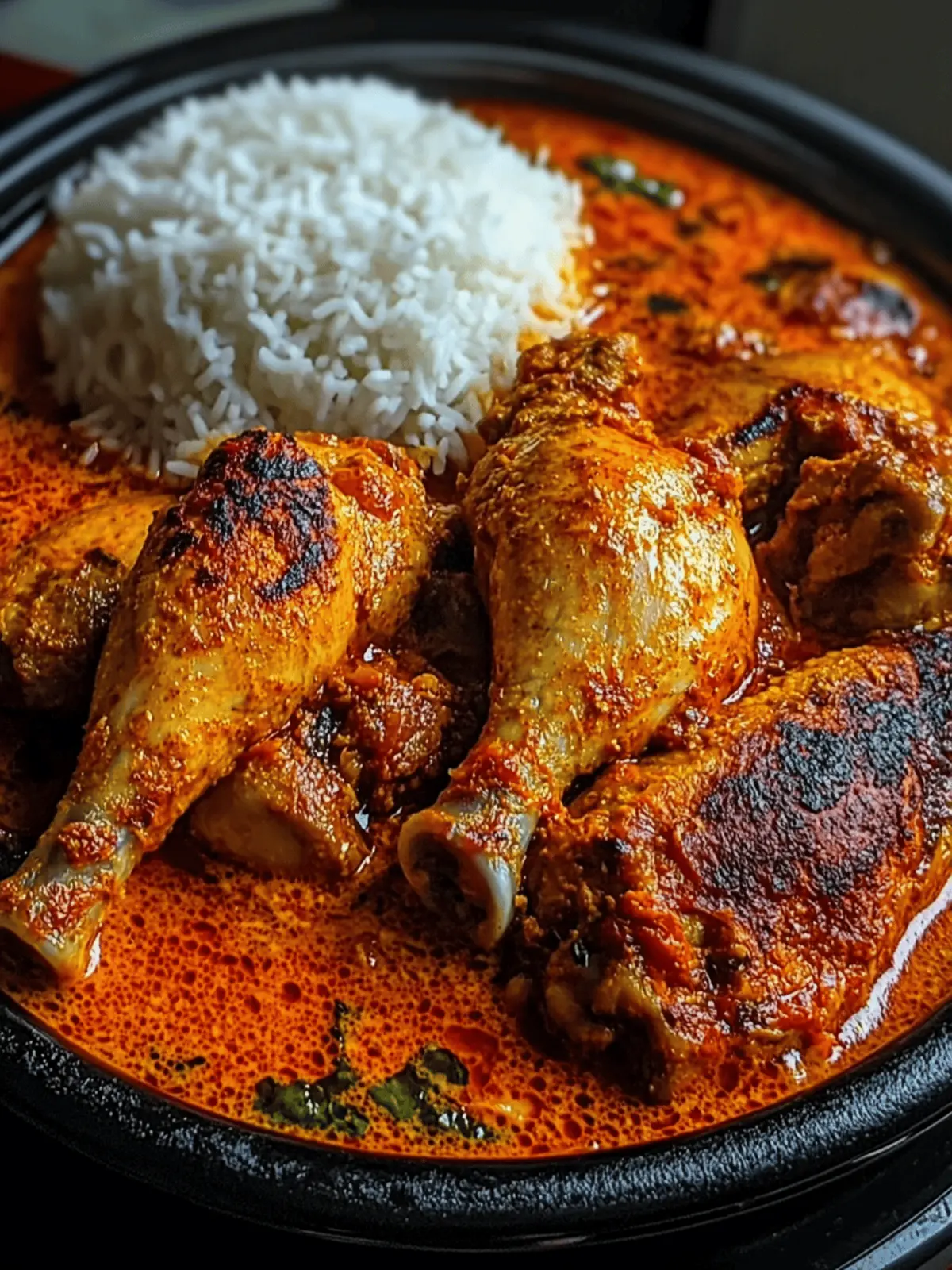
Why is Nigerian Chicken Stew a must-try?
Bold, Flavorful Experience: This stew is bursting with rich, hearty flavors that’ll leave you craving more.
Perfect for Gatherings: Whether it’s a cozy family dinner or a lively get-together, this dish brings everyone together.
Balanced Spice: The scotch bonnet peppers add a delightful kick, but feel free to adjust for your spice preference!
Versatile Pairings: It’s fantastic with fluffy rice, sweet plantains, or yams—your choice! Don’t forget to check out our serving suggestions to enhance your plate.
Time-Saving Delight: Quick to prepare but packed with deep flavors, this stew is ideal for those busy weeknights when comfort food is a must.
Nigerian Chicken Stew Ingredients
For the Stew Base
• Chicken – Main protein; provides richness and flavor. Can substitute with boneless chicken for quicker cooking.
• Vegetable Oil – For searing the chicken; essential for a crispy texture. Use canola or sunflower oil as alternatives.
• Roma Tomatoes – Base of the sauce; offers natural sweetness and acidity. Substitute with canned tomatoes if fresh are unavailable.
• Red Bell Pepper – Adds sweetness and color; can swap with yellow or orange peppers.
• Small Red Onion – Provides aromatic base flavor; white onions can be used if red is not available.
• Scotch Bonnet Peppers – Key for heat; substitute with habanero for a similar spice level, or omit for milder flavor.
• Tomato Paste – Intensifies tomato flavor; essential for the stew’s depth.
For Seasoning
• Garlic Powder – For seasoning; fresh garlic can also be used.
• Ginger Powder – Adds warmth and spice; fresh ginger is an alternative.
• Bouillon Cube – Adds umami; can substitute with vegetable or chicken broth for a more liquid stew.
• Curry Powder – Provides aromatic flavor; an essential spice in Nigerian cooking.
• Thyme – Adds earthy undertones and depth to the stew.
• Salt and Black Pepper – Basic seasonings enhancing overall flavor.
Dive into the delicious experience that is Nigerian Chicken Stew, and enjoy a beloved dish full of warmth and flavor!
How to Make Nigerian Chicken Stew
-
Marinate Chicken: Season the chicken chunks with salt, black pepper, paprika, curry powder, thyme, and chopped onion. Allow it to marinate for at least 30 minutes to deepen the flavors.
-
Sear Chicken: Heat vegetable oil in a large skillet over medium-high heat. Add the marinated chicken and brown it on all sides for about 5-7 minutes, then set it aside.
-
Prepare Sauce: Blend the Roma tomatoes, red bell pepper, small red onion, and scotch bonnet peppers into a smooth puree. In the same skillet, sauté the tomato paste for 2 minutes until slightly caramelized.
-
Cook Base: Pour the blended mixture into the skillet with the tomato paste. Cook for about 10 minutes, stirring occasionally until the sauce thickens and deepens in color.
-
Season Sauce: Add garlic powder, ginger powder, and the bouillon cube, stirring to combine. Taste and adjust the salt as needed to enhance the sauces’ flavor.
-
Simmer Chicken: Return the seared chicken to the skillet and cover. Let it simmer for 25-30 minutes, basting occasionally, until the chicken is tender and infused with the sauce.
-
Finish & Serve: Garnish with fresh parsley or cilantro for a pop of color and serve hot alongside fluffy rice, sweet fried plantains, or yams.
Optional: Consider adding a splash of broth during simmering for a lighter sauce.
Exact quantities are listed in the recipe card below.
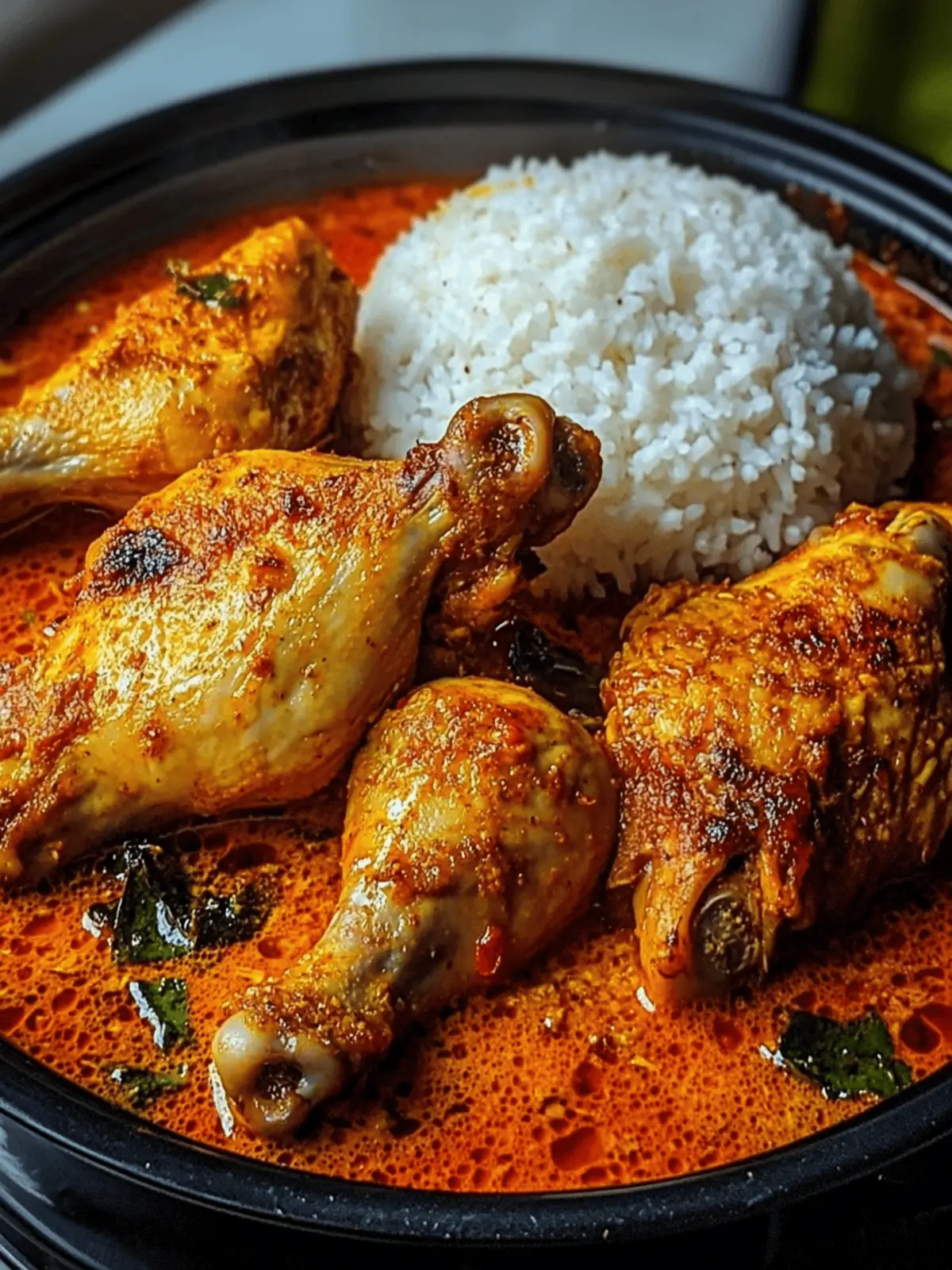
Make Ahead Options
Preparing Nigerian Chicken Stew in advance is a fantastic way to save time on busy weeknights! You can marinate the chicken for up to 24 hours in advance, allowing the flavors to infuse deeply. Additionally, you can make the sauce (tomato, pepper, and onion blend) and refrigerate it for up to 3 days—the flavors will continue to develop as it sits. When you’re ready to serve, simply sear the marinated chicken, add the prepared sauce, and simmer as directed for tender results just as delicious as if made fresh. To maintain quality, store components in airtight containers to prevent moisture loss and ensure maximum flavor. Enjoy the ease of meal prep with this beloved dish!
Expert Tips for Nigerian Chicken Stew
-
Marinate Well: Allow chicken to marinate for at least 30 minutes to infuse the flavors deeply and create a rich base for your Nigerian Chicken Stew.
-
Don’t Rush Searing: Searing the chicken properly is crucial; it creates a flavorful crust and enhances the overall taste of the stew.
-
Adjust Spice Levels: Feel free to modify the amount of scotch bonnet peppers based on your family’s heat tolerance to ensure everyone enjoys the meal.
-
Thick or Thin: For a thicker stew, cook the sauce until it’s well-reduced. If you prefer a lighter texture, add a splash of chicken or vegetable broth while simmering.
-
Don’t Skip the Herbs: Fresh parsley or cilantro as a garnish not only adds color but also brightens up the rich flavors of the stew.
What to Serve with Nigerian Chicken Stew?
Creating a full meal around this vibrant dish is easy and delightful, promising an unforgettable culinary experience.
- Fluffy White Rice: Perfect for soaking up the rich sauce without overwhelming the palate, this classic pairing balances flavors beautifully.
- Sweet Fried Plantains: These caramelized bites bring a comforting sweetness that contrasts with the stew’s spiciness, offering a blissful experience in every bite.
- Boiled Yams: Their starchy texture is a hearty accompaniment, adding an earthy flavor that complements the stew’s richness wonderfully.
- Spicy Coleslaw: A refreshing crunch with a touch of heat provides a crisp contrast to the stewed chicken, enhancing your meal’s complexity.
- Nigerian Jollof Rice: For a festive gathering, serve alongside this classic rice dish, blending perfectly with the stew’s robust flavors for a feast fit for any occasion.
- Coconut Rice: Its subtle sweetness harmonizes with the spice of the stew, creating a delightful culinary dance on your taste buds.
- Cucumber Salad: Light and refreshing, this helps cut through the richness, cleansing the palate with every enjoyable spoonful of the stew.
- Chilled Zobo Drink: A fruity, refreshing beverage to drink alongside your meal, it pairs wonderfully with the spices in the stew and offers a cooling effect.
- Ginger Tea: For a warm, aromatic wrap-up to your meal, this energizing tea can be the perfect end, aiding digestion while complementing the stew’s boldness.
- Fruit Salad: For a sweet finish, a light fruit salad provides a refreshing and healthy dessert option, balancing the meal beautifully.
Nigerian Chicken Stew Variations & Substitutions
Feel free to get creative and customize your Nigerian Chicken Stew! With a few simple twists, you can tailor this dish to suit your taste and dietary needs.
-
Dairy-Free: Use coconut milk in place of any cream for a tropical twist that adds creaminess without the dairy.
-
Vegetarian: Swap the chicken for chickpeas or tofu, marinated and sautéed to absorb the vibrant flavors of the stew.
-
Extra Veggies: Add diced carrots, peas, or spinach to the mix for a nutrient boost and a splash of color.
-
Spicy Kick: If you crave heat, toss in some cayenne pepper or chili flakes along with the scotch bonnet for an extra layer of spice.
-
Herb Infusion: Try adding fresh basil or cilantro towards the end of cooking for an aromatic twist that brightens the dish.
-
Citrus Zing: Squeeze fresh lime or lemon juice into the finished stew for a refreshing tartness that elevates the rich flavors.
-
Savory Depth: Incorporate a splash of soy sauce or Worcestershire sauce to deepen umami notes and enhance overall flavor.
-
Lower Carb Option: Serve over cauliflower rice or zucchini noodles instead of traditional rice for a lighter fare that’s still delightful and satisfying.
Each variation offers its own unique flavor profile while keeping the heart of this beloved dish. Enjoy making it your own!
How to Store and Freeze Nigerian Chicken Stew
Fridge: Store chilled Nigerian Chicken Stew in an airtight container for up to 4 days. The flavors develop beautifully overnight, making it even tastier the next day.
Freezer: For longer storage, freeze the stew in a freezer-safe container for up to 3 months. Be sure to leave some space at the top for expansion as it freezes.
Reheating: Thaw the stew in the fridge overnight before reheating. Warm it gently on the stove over low heat or in the microwave until heated through, ensuring it maintains its rich, comforting flavors.
Serving: When ready to serve, garnish with fresh herbs and enjoy it alongside rice, plantains, or yams for a complete meal.

Nigerian Chicken Stew Recipe FAQs
What kind of chicken should I use for Nigerian Chicken Stew?
Absolutely, you can use any cut of chicken, whether bone-in or boneless, for a richer flavor. I often recommend skin-on pieces for extra crispy texture when seared. If you’re short on time, boneless chicken breast or thighs will cook faster and still deliver that delicious taste!
How should I store leftover Nigerian Chicken Stew?
Very! Allow your stew to cool completely before transferring it to an airtight container. It can be stored in the refrigerator for up to 4 days. The flavors continue to blend and improve after a day, making it an even better meal for leftovers!
Can I freeze Nigerian Chicken Stew?
Absolutely! This stew freezes beautifully. After cooling, transfer it to a freezer-safe container, leaving some headspace for expansion. It can be frozen for up to 3 months. When you’re ready to enjoy it, thaw overnight in the fridge, then gently reheat on the stove or microwave.
What if my stew is too thick?
No worries! If your Nigerian Chicken Stew turns out thicker than you’d like, you can simply add a bit of chicken or vegetable broth during the simmering stage. Start with a splash, stirring well, and adjust until you reach your desired consistency. It’s all about finding that perfect balance!
How can I make this dish pet-friendly?
To make a pet-friendly version of Nigerian Chicken Stew, simply omit the spices, particularly the scotch bonnet peppers, as they can be harmful to pets. Cook the chicken and veggies separately and combine them without seasoning. Your furry friend will love this wholesome treat!
Can I use fresh ingredients instead of canned for the stew?
Absolutely! Fresh is always a great choice. If you prefer fresh tomatoes to canned, what a wonderful flavor that brings! Just ensure you’re using ripe Roma tomatoes, as they contain the right balance of sweetness and acidity to replicate that rich depth of flavor in your Nigerian Chicken Stew.

Nigerian Chicken Stew: Hearty Flavor That Warms the Soul
Ingredients
Equipment
Method
- Marinate Chicken: Season the chicken chunks with salt, black pepper, paprika, curry powder, thyme, and chopped onion. Allow it to marinate for at least 30 minutes to deepen the flavors.
- Sear Chicken: Heat vegetable oil in a large skillet over medium-high heat. Add the marinated chicken and brown it on all sides for about 5-7 minutes, then set it aside.
- Prepare Sauce: Blend the Roma tomatoes, red bell pepper, small red onion, and scotch bonnet peppers into a smooth puree. In the same skillet, sauté the tomato paste for 2 minutes until slightly caramelized.
- Cook Base: Pour the blended mixture into the skillet with the tomato paste. Cook for about 10 minutes, stirring occasionally until the sauce thickens and deepens in color.
- Season Sauce: Add garlic powder, ginger powder, and the bouillon cube, stirring to combine. Taste and adjust the salt as needed to enhance the sauces' flavor.
- Simmer Chicken: Return the seared chicken to the skillet and cover. Let it simmer for 25-30 minutes, basting occasionally, until the chicken is tender and infused with the sauce.
- Finish & Serve: Garnish with fresh parsley or cilantro for a pop of color and serve hot alongside fluffy rice, sweet fried plantains, or yams.