
If you want a simple bread that feels meaningful, practical, and delicious, this Unleavened Bread (Matzah) recipe is a beautiful place to start. Made with only flour, water, and salt, it turns basic pantry ingredients into a crisp homemade flatbread you can serve with soups, stews, salads, spreads, grilled meats, or a Passover meal.
The beauty of Unleavened Bread (Matzah) is its simplicity. There is no yeast, no rising time, and no complicated equipment. You mix the dough, knead it briefly, roll it thin, and cook each piece in a hot skillet until lightly golden and crisp. In about 30 minutes, you can have seven pieces ready for the table.
This recipe is especially helpful when you want homemade bread without waiting for dough to rise. It also gives you control over the texture. Roll the dough thin for a crisp, cracker-like bite, or leave it slightly thicker for a softer flatbread-style result.
Reasons This Recipe Belongs in Your Kitchen
This Unleavened Bread (Matzah) recipe is fast, affordable, and easy enough for beginners. It uses ingredients you probably already have, and it works for both everyday meals and special gatherings.
It is also wonderfully versatile. Serve it warm beside a bowl of vegetable soup, use it as a base for dips, pair it with roasted chicken, or place it on a holiday table. Because it has a clean, mild flavor, it works well with both savory and lightly sweet toppings.
Another reason to make Unleavened Bread (Matzah) at home is freshness. Store-bought versions can be convenient, but homemade matzah has a warm aroma, better texture, and a more personal feel. You can cook it until just golden for a tender bite or keep it on the skillet a little longer for extra crunch.
What Is Unleavened Bread?
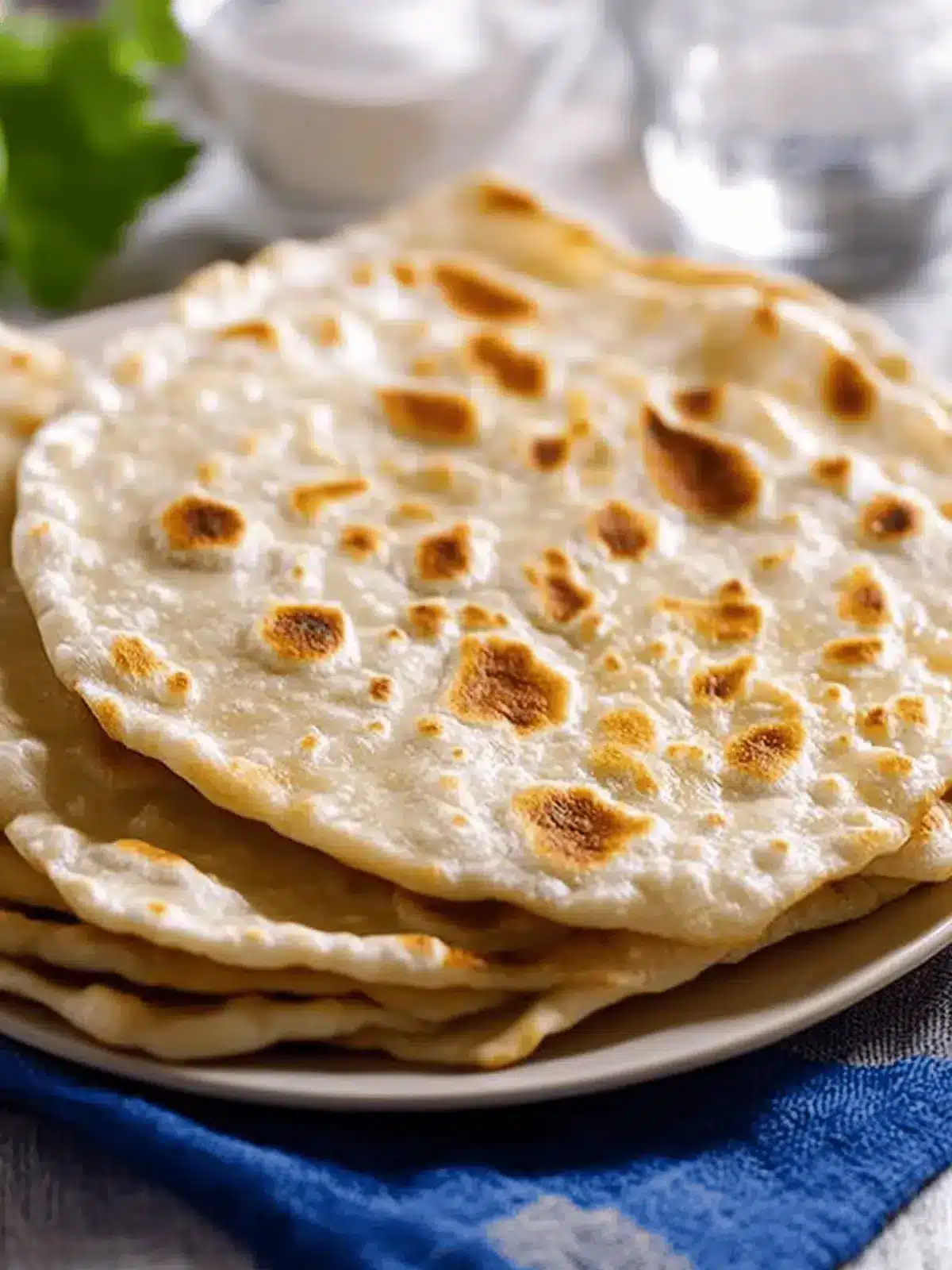
Unleavened bread is bread made without a rising agent such as yeast, baking powder, or baking soda. Instead of becoming fluffy, the dough stays thin and flat. Matzah is one of the best-known forms of unleavened bread and is often associated with Passover, though it can be enjoyed throughout the year.
Traditional matzah is simple, but that does not mean it is boring. This Unleavened Bread (Matzah) has a crisp texture, a lightly toasted flavor, and a rustic homemade look that makes it feel special without being difficult.
Ingredients You Need
For the dough, you need:
- 2 cups flour, plus 2 tablespoons more for the dough
- 1 cup cold water
- 1/2 teaspoon salt
Flour gives the bread structure. All-purpose flour works well, but you may try a gluten-free flour blend if needed. Cold water helps bring the dough together while keeping it easy to handle. Salt adds flavor and keeps the bread from tasting flat.
Because Unleavened Bread (Matzah) has so few ingredients, measuring carefully matters. Too much water can make the dough sticky, while too much flour can make it dry. Add the water gradually and mix until the dough comes together.
How to Make Unleavened Bread (Matzah)
Start by whisking the flour and salt in a large bowl. Slowly pour in the cold water while stirring. Continue mixing until a dough begins to form. It should be soft and slightly tacky, but not runny.
Transfer the dough to a lightly floured surface. Knead for about 5 minutes, just until smooth. Avoid over-kneading, because too much handling can make the finished bread tough.
Cut the dough into seven equal pieces. Roll each piece into a ball, then flatten it into a thin oval about 6 to 7 inches wide. Thin pieces will cook quickly and become crisp, which is ideal for classic Unleavened Bread (Matzah).
Heat a skillet over medium-low heat. Place one oval in the skillet and cook for about 2 minutes on each side, or until lightly browned with toasted spots. Repeat with the remaining pieces.
Serve the bread warm, or let it cool completely before storing. Fresh Unleavened Bread (Matzah) is excellent on its own, but it is even better with flavorful dips, soups, or roasted vegetables.
Tips for the Best Texture
Use cold water and add it slowly. This makes the dough easier to control and helps prevent a sticky mess. If the dough feels too wet, sprinkle in a small amount of flour. If it feels dry and crumbly, add water one teaspoon at a time.
Roll the dough evenly so each piece cooks at the same speed. Uneven dough can lead to burnt edges and undercooked centers.
Keep the skillet hot, but not smoking. Medium-low heat gives the bread time to cook through while developing crisp golden spots. If the skillet is too hot, the outside may brown before the inside is done.
For extra crisp Unleavened Bread (Matzah), roll the pieces thinner and cook them slightly longer. For a softer version, roll them a little thicker and reduce the cooking time by a few seconds per side.
Serving Ideas
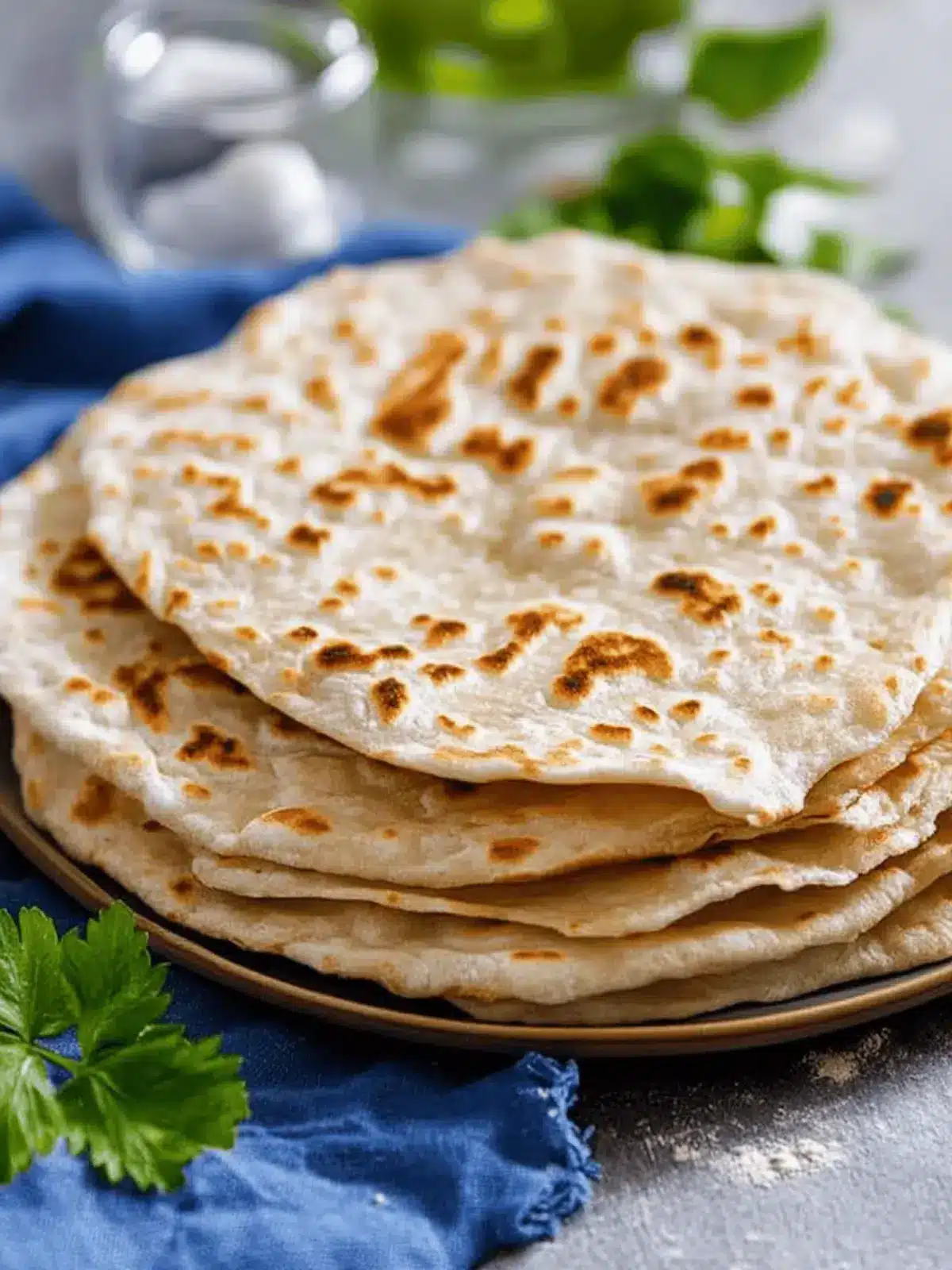
This bread fits easily into many meals. Serve it with hummus, herbed yogurt, baba ganoush, olive oil, or a simple garlic dip. It also pairs well with lentil soup, chicken stew, grilled lamb, roasted vegetables, and fresh cucumber-tomato salad.
For a lighter plate, top it with avocado, herbs, and a squeeze of lemon. For a sweet option, try honey, fruit preserves, or a dusting of cinnamon sugar.
During Passover, Unleavened Bread (Matzah) can be part of a meaningful table. For everyday meals, it can replace crackers, tortillas, or flatbread when you want something homemade and quick.
Easy Variations
You can keep this recipe classic or add small flavor upgrades. Mix dried rosemary, thyme, garlic powder, onion powder, sesame seeds, or poppy seeds into the dough. For a spicy version, add a tiny pinch of cayenne.
For gluten-free Unleavened Bread (Matzah), use a reliable gluten-free all-purpose flour blend. Because gluten-free flours absorb liquid differently, add water gradually and adjust as needed until the dough holds together.
For a softer flatbread style, use room-temperature water and roll the dough slightly thicker. For a more cracker-like result, roll the dough very thin and cook until fully crisp.
How to Store It
Let the bread cool completely before storing. Place it in an airtight container at room temperature for up to 3 days. To keep it crisp, avoid storing it while warm, because trapped steam can soften the texture.
For longer storage, refrigerate it for up to a week or freeze it for up to 3 months. Wrap the pieces tightly, then place them in a freezer-safe bag. Reheat in a dry skillet over low heat for a few minutes to bring back the crunch.
Make-Ahead Instructions
You can prepare the dough up to 24 hours ahead. Cover it tightly and refrigerate it. When ready to cook, let the dough sit at room temperature for about 20 to 30 minutes, then divide, roll, and cook as directed.
You can also cook the bread in advance. Before serving, warm each piece briefly in a skillet. This makes Unleavened Bread (Matzah) taste freshly made again and helps restore the crisp texture.
Frequently Asked Questions
Can I make this without a skillet?
Yes. You can bake the rolled pieces on a hot baking sheet until firm and lightly golden, but a skillet gives more control and better toasted spots.
Why is my bread tough?
The dough may have been over-kneaded or rolled too thick. Knead only until smooth and roll the pieces evenly.
Can I double the recipe?
Yes. Double all ingredients and cook the pieces in batches. Keep finished pieces covered with a clean towel if you want them softer, or uncovered if you want them crisp.
Is this recipe only for Passover?
No. While Unleavened Bread (Matzah) is strongly connected with Passover, it is also a useful everyday bread for quick meals.
Final Thoughts
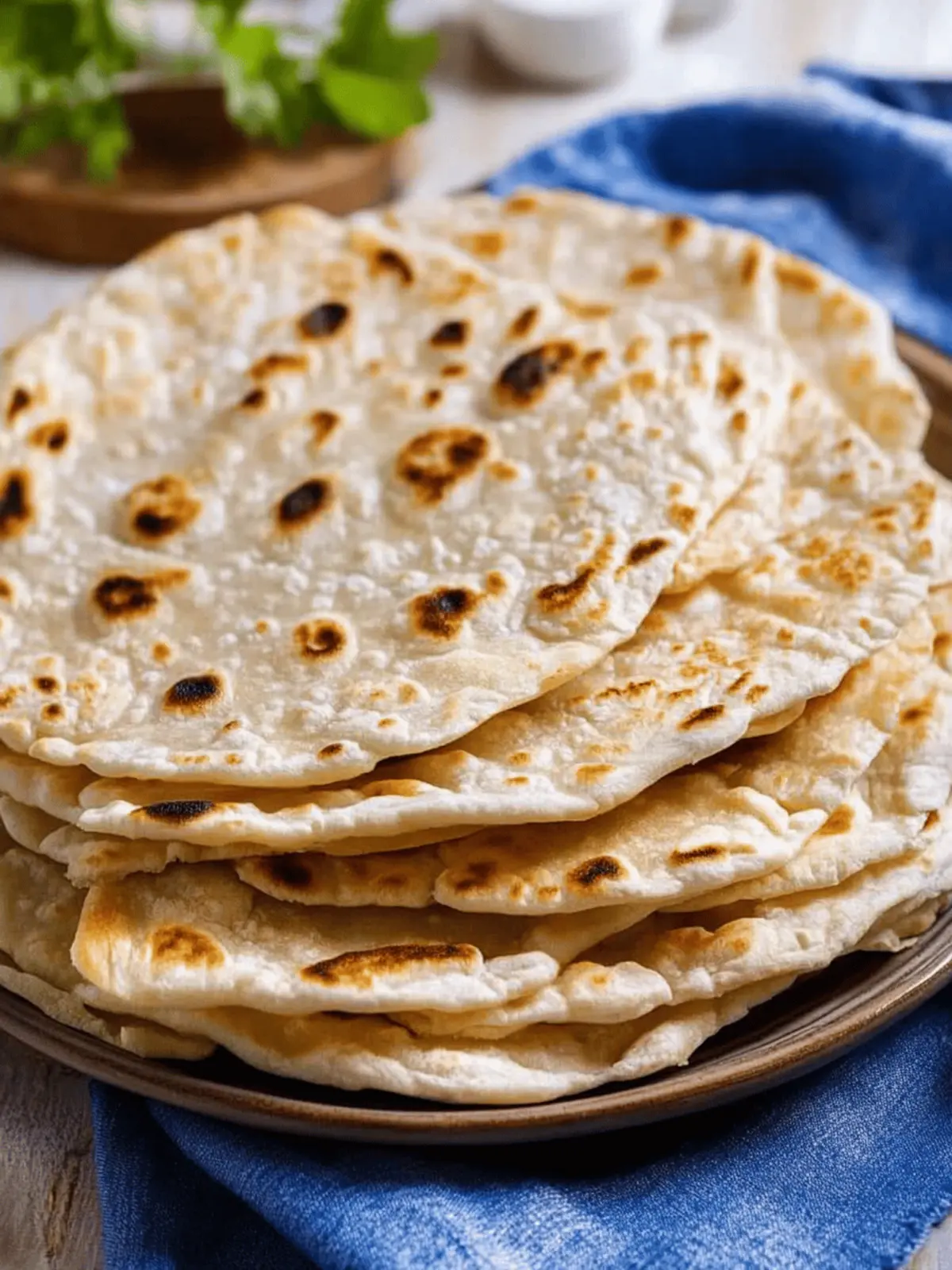
Homemade Unleavened Bread (Matzah) proves that simple ingredients can create something memorable. With flour, water, salt, and a skillet, you can make a crisp, rustic flatbread that works for holidays, family dinners, snacks, and everyday meals. It is quick enough for a weeknight, meaningful enough for a special table, and flexible enough to serve with almost anything.
Easy Unleavened Bread (Matzah) with 3 Ingredients
Ingredients
Method
- In a large bowl, whisk together 2 cups + 2 tablespoons of flour and 1/2 teaspoon of salt until well combined.
- Gradually stir in 1 cup of cold water, mixing until a dough begins to form.
- Transfer the dough to a flat surface and knead for about 5 minutes.
- Heat a skillet over medium-low heat.
- Cut the dough into seven equal pieces, roll each into a ball, and flatten into a 6-7 inch oval.
- Place each oval in the skillet and cook for about 2 minutes on each side.
- Enjoy your freshly made matzah warm, or let cool and store covered.