
As the chilly winds of winter blow outside, there’s nothing quite like wrapping my hands around a warm bowl of comforting soup. I recently stumbled upon this delightful Tasty Korean Winter Soup recipe, and it instantly became a go-to for cozy evenings. The rich, savory broth teeming with tender beef, soft tofu, and vibrant vegetables fills the home with an inviting aroma that draws friends and family to the kitchen. Imagine the sounds of laughter and chatter as we gather around the table, spoons eagerly diving into the hearty mix, each sip a reminder that hearty meals can bring us closer together.
This soup is perfect on those dreary nights when you crave something truly satisfying—and luckily, it’s easy to whip up! Whether you’re seeking to impress guests or simply want to enjoy a nourishing meal without spending hours in the kitchen, this recipe covers all bases. Plus, with some simple substitutions, it can cater to various dietary preferences. So, let’s roll up our sleeves and dive into the heartwarming world of Korean comfort food!
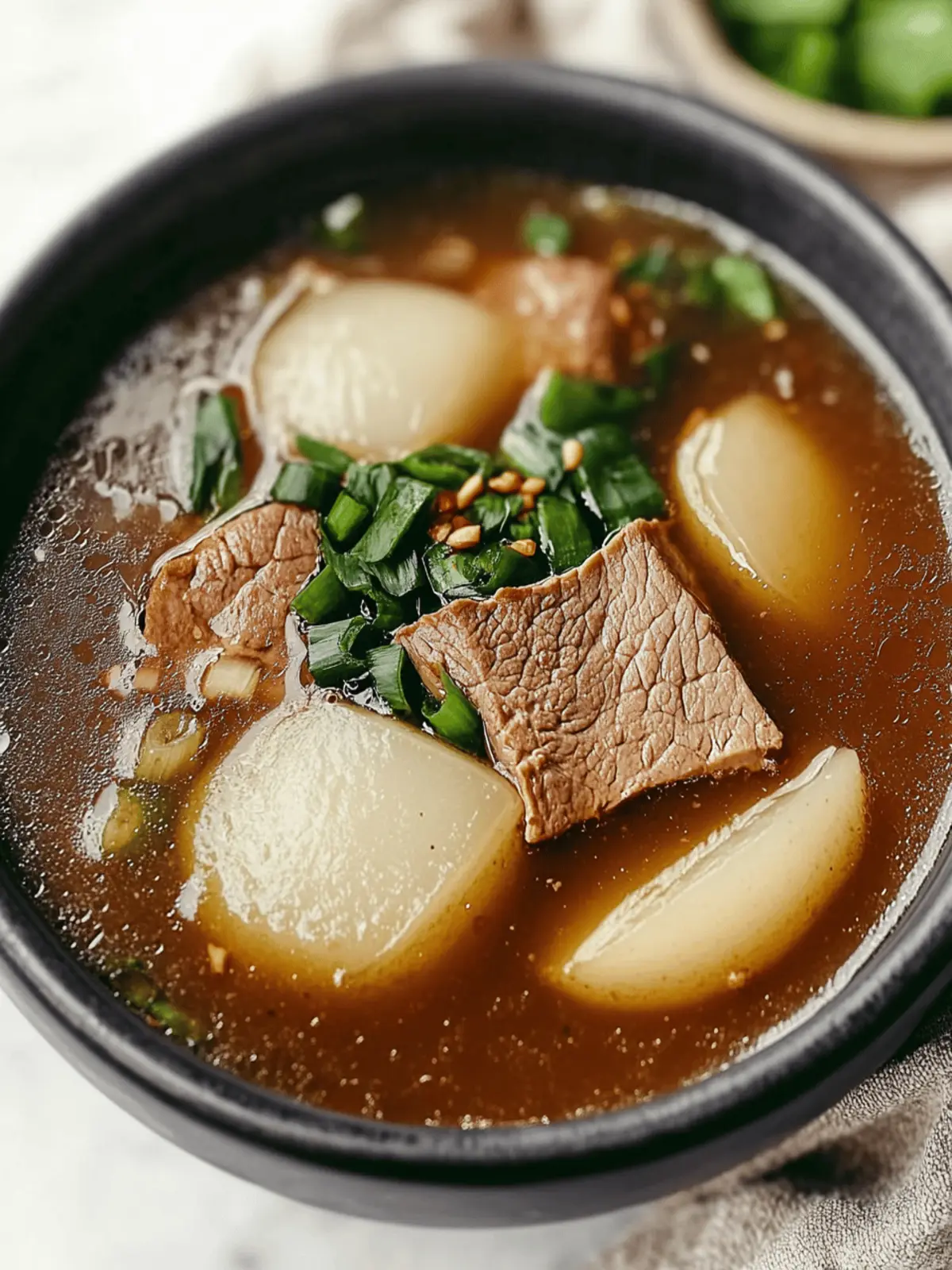
Why is this Tasty Korean Winter Soup irresistible?
Comforting warmth: This soup wraps you in a cozy embrace, perfect for chilly nights.
Flavorful broth: Rich and savory, the broth is brimming with umami from beef and aromatics.
Hearty ingredients: Tender beef and creamy tofu offer a satisfying bite, making it a complete meal.
Flexible options: You can easily adapt this recipe to meet your dietary needs, whether gluten-free or vegetarian.
Quick preparation: Ready in just under two hours, it brings warmth without demanding all your time.
Serve with rice and kimchi for a delightful twist, and enjoy the company that comes from sharing a delicious meal!
Tasty Korean Winter Soup Ingredients
Here’s what you’ll need to create your cozy bowl of Tasty Korean Winter Soup!
For the Broth
- Beef Short Ribs – This cuts down on cooking time and enhances richness; beef shank or oxtail can be substituted for a different flavor.
- Yellow Onion (whole, skin-on) – Adds depth and aroma to the broth; keeping the skin on boosts the flavor even more.
- Garlic – Freshly minced for an intense savory kick; feel free to adjust to taste.
- Ginger – Fresh ginger slices offer a warm, spicy note; peel before adding for freshness.
- Water – Your soup base, necessary for simmering and developing flavors.
- Guk Ganjang (Korean soup soy sauce) – Infuses umami into the broth; regular soy sauce and a hint of fish sauce work if you’re in a pinch.
- Sea Salt – Essential for balancing flavors; adjust towards the end of cooking.
For the Vegetables
- Tofu – Adds a creamy texture; skip it for a meatier dish or replace with portobello mushrooms for a vegetarian version.
- Radish – Essential for sweetness and body; don’t skip this for that cozy flavor boost!
- Green Onions – For garnishing and added flavor; substitute with leeks or chives if needed.
Feel free to modify this ingredient list to suit your taste and dietary preferences—cooking should always bring joy and comfort!
How to Make Tasty Korean Winter Soup
-
Soak Ribs: Begin by soaking the beef short ribs in cold water for 1 hour. This step helps draw out any blood, ensuring a cleaner flavor in your broth.
-
Prepare Aromatics: While the ribs are soaking, slice your onion, ginger, and garlic. Don’t forget to add green onions and any optional roots; they’ll add an extra layer of flavor.
-
Boil Broth: In a large pot, combine the soaked ribs with the aromatics and 10 cups of water. Bring the mixture to a boil, allowing the rich aromas to fill your kitchen.
-
Simmer: Once boiling, lower the heat to medium-low. Skim off any foam that rises, then let it simmer uncovered for 1 hour to build that deliciously robust flavor.
-
Add Radishes: After an hour, introduce the sliced radishes into the pot and continue to simmer for an additional 20 minutes or until they are tender, adding sweetness to the broth.
-
Seasoning: Discard the aromatics, then season the broth with guk ganjang and sea salt. Let it simmer for another 10 minutes to meld the flavors beautifully.
-
Serve: Garnish with sliced green onions and a sprinkle of black pepper before serving. This soup pairs delightfully with a bowl of rice for a complete meal experience.
Optional: Serve with a side of kimchi for an extra kick of flavor.
Exact quantities are listed in the recipe card below.
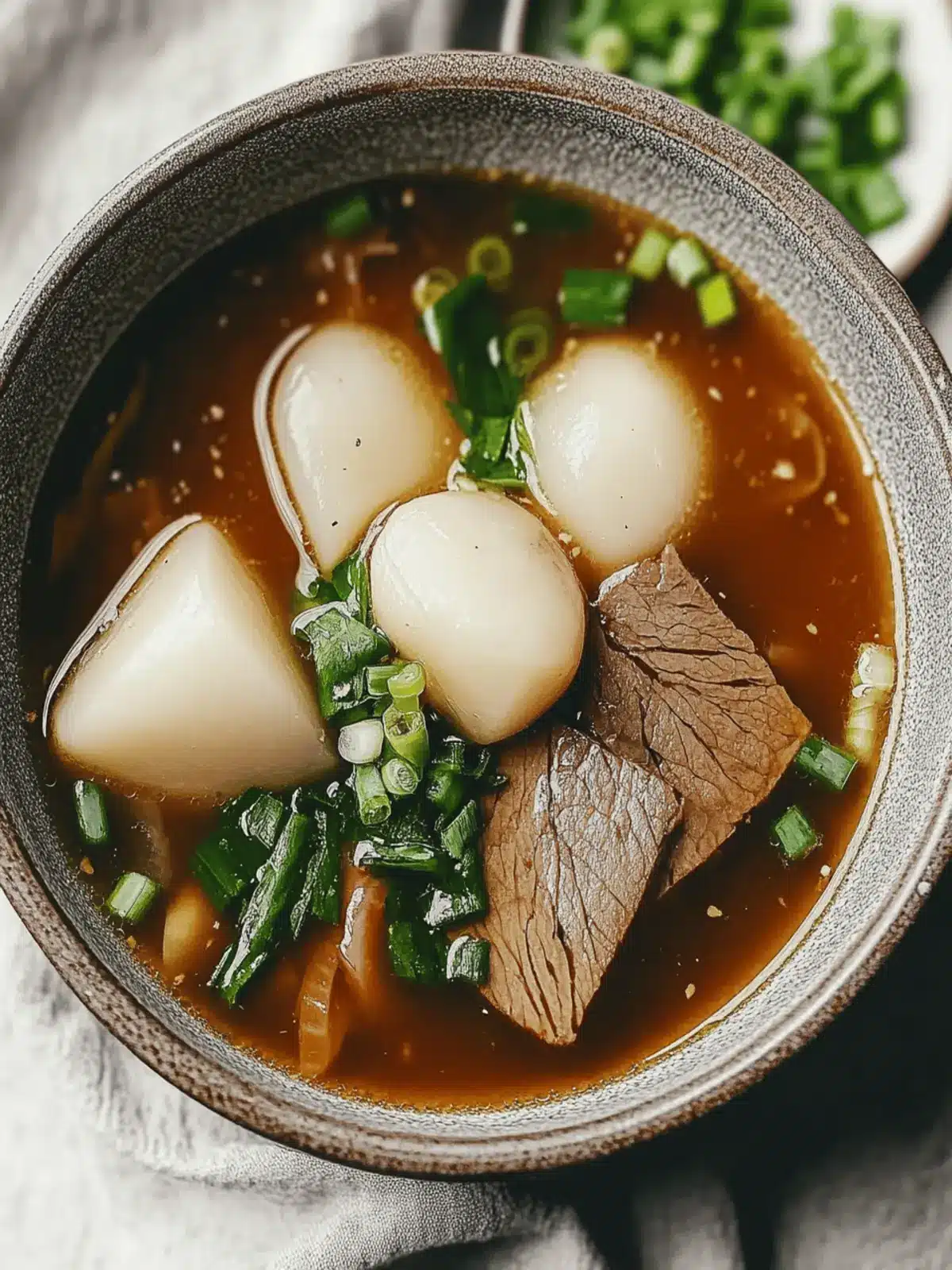
What to Serve with Tasty Korean Winter Soup?
The warmth of this delightful soup pairs beautifully with comforting sides that bring out its rich flavors.
-
Steamed White Rice: A classic pairing that absorbs the flavorful broth, allowing each bite to radiate warmth and satisfaction.
-
Kimchi: This spicy, fermented side dish adds a zing that brightens the soup’s savory notes, creating a delightful contrast that tantalizes the taste buds.
-
Garlic Bread: Crunchy and buttery, it offers a wonderful textural contrast while providing the perfect vehicle for soaking up the sumptuous broth.
-
Pickled Vegetables: The tangy crunch of pickled radishes or cucumbers amplifies freshness and cuts through the soup’s richness, refreshing the palate between bites.
-
Savory Pancakes: Korean kimchi pancakes or scallion pancakes bring a crispy element to every mouthful, enhancing the cozy experience with their flavor and texture.
-
Herbal Tea: A warm, soothing cup of ginger or green tea can brighten the meal and aid digestion, creating a complete and calming dining experience.
-
Sesame Spinach Salad: A light, healthy salad tossed in sesame oil provides a refreshing crunch that complements the hearty nature of the soup.
These delightful accompaniments elevate your dining experience, making every sip of your Tasty Korean Winter Soup feel like a comforting embrace.
Tasty Korean Winter Soup Variations
Get ready to make this delightful soup your own with these fun and simple adaptations!
-
Beef Swap: Use beef shank or oxtail instead of short ribs for a different flavor profile and tender texture. Both cuts will infuse delicious richness into the broth.
-
Vegetarian Option: Replace tofu with portobello mushrooms to create a satisfying plant-based version. Their meaty texture pairs well with the broth, making every bite rich and hearty.
-
Gluten-Free: For a gluten-free alternative, substitute guk ganjang with tamari or coconut aminos. This ensures everyone can enjoy the umami goodness without worry.
-
Extra Heat: Add sliced fresh chili peppers or a splash of chili oil to spice things up. This twist will infuse your soup with warmth, perfect for those who love a bit of kick.
-
Creamy Texture: Stir in some coconut milk towards the end for a velvety richness that complements the savory elements. It will give your soup a delightful, tropical twist.
-
Root Veggie Medley: Incorporate sweet potatoes or carrots along with the radishes for added sweetness and nutrition. These veggies provide an extra layer of comfort in every spoonful.
-
Flavor Infusion: Toss in a few sprigs of fresh herbs—like cilantro or thyme—during the simmering process for an aromatic uplift. They’ll add a bright, fresh essence to the broth.
-
Citrus Brightness: Finish your soup with a squeeze of lime or lemon juice before serving. This adds a delightful zing that balances the rich flavors beautifully and lifts your spirits on a cold day.
Expert Tips for Tasty Korean Winter Soup
-
Proper Soaking: Soak the beef short ribs for at least 1 hour. This removes excess blood and results in a cleaner-tasting broth for your Tasty Korean Winter Soup.
-
Skim Foam: During simmering, be sure to skim off any foam that rises to the top. This keeps your broth clear and ensures a beautiful presentation.
-
Adjust Seasoning: Add guk ganjang and sea salt towards the end. This prevents over-salting and allows you to fine-tune the flavor of your soup.
-
Rest Time: Allow the soup to sit for 20 minutes after cooking. This enhances the flavors and ensures everything melds beautifully before serving.
-
Vegetarian Substitute: For a vegetarian option, replace beef with portobello mushrooms. This keeps the heartiness without sacrificing flavor, making for a delightful Tasty Korean Winter Soup.
Make Ahead Options
These Tasty Korean Winter Soup preparations are perfect for busy home cooks looking to save time! You can soak the beef short ribs and prepare the aromatics (onion, garlic, ginger, and green onions) up to 24 hours in advance. Simply store them in the refrigerator, and this will help maintain their freshness and flavor. Moreover, the radishes can be pre-sliced and kept in a sealed container for up to 3 days, ensuring they stay crisp. When ready to make your soup, combine the prepped ingredients with water and follow the cooking instructions as usual. The beauty of this soup is that even when made ahead, you’ll enjoy a bowl that is just as warm, comforting, and delicious as if it were freshly prepared!
Storage Tips for Tasty Korean Winter Soup
Fridge: Store leftovers in an airtight container in the fridge for up to 3 days. This keeps the soup’s flavors locked in while preventing spoilage.
Freezer: If you want to enjoy this cozy meal later, freeze the soup in portions for up to a month. To avoid freezer burn, use freezer-safe containers and leave some space for expansion.
Reheating: When you’re ready to enjoy your soup again, reheat gently on the stove over low heat. If the soup has thickened, add a splash of broth or water to restore the desired consistency.
Serving Suggestion: This Tasty Korean Winter Soup is best served fresh, but can be enjoyed as tasty leftovers too, making it perfect for meal prep!
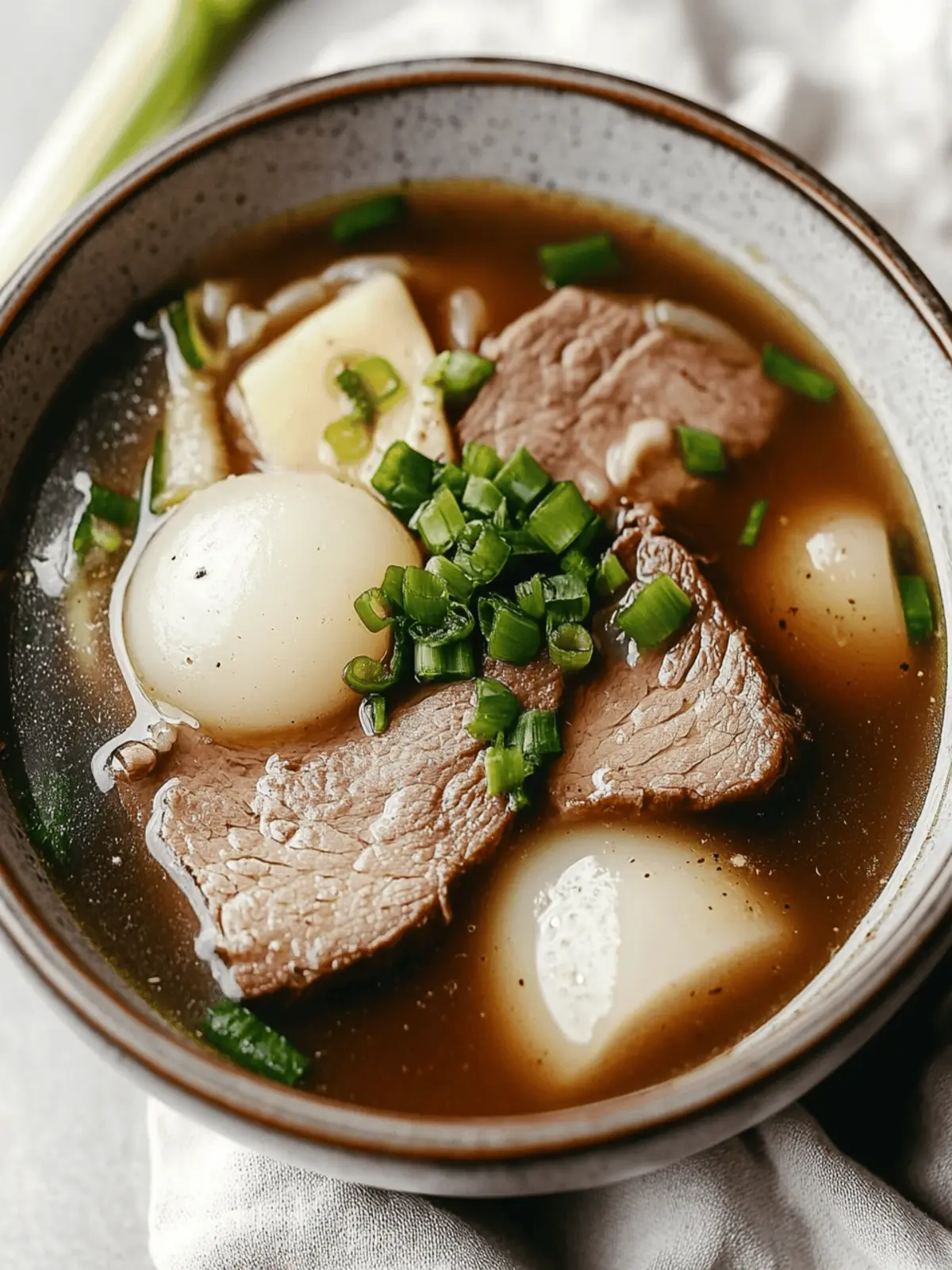
Tasty Korean Winter Soup Recipe FAQs
How do I choose the best beef short ribs for this soup?
Absolutely! Look for beef short ribs that have a good amount of marbling, which ensures tenderness and rich flavor. The meat should be bright red with a firm texture—avoid those with dark spots or an off smell, as those indicate aging or spoilage. If you want to experiment, beef shank or oxtail can also provide a deliciously rich flavor suitable for this hearty dish.
How long can I store leftovers of Tasty Korean Winter Soup?
Leftovers can be stored in an airtight container in the fridge for up to 3 days. It’s essential to let the soup cool to room temperature before sealing it, as this helps preserve the robust flavors while preventing spoilage. When ready to eat, reheat gently on the stove to maintain its wonderful warmth and depth of flavor.
Can I freeze Tasty Korean Winter Soup, and if so, how?
Certainly! To freeze, ladle the cooled soup into freezer-safe containers, leaving about an inch of space at the top for expansion. It freezes beautifully for up to 3 months. When you’re ready to enjoy a cozy bowl again, simply transfer it to the refrigerator to thaw overnight, and then reheat gently on the stove. Feel free to add a bit of broth or water if the soup thickens during freezing.
What if my broth tastes less flavorful than expected?
Very! If your broth isn’t as rich as you’d like, chances are it needs a bit more time to simmer or additional seasoning. Try adding an extra splash of guk ganjang or a pinch of sea salt, letting it simmer for an additional 10-15 minutes to incorporate those flavors fully. Skimming the foam throughout the simmering process can also help achieve that clear, flavorful broth you desire.
Are there any gluten-free options for this recipe?
Yes, indeed! For a gluten-free version of Tasty Korean Winter Soup, substitute guk ganjang with tamari or coconut aminos, maintaining that umami flavor without the gluten. Additionally, ensure that any other sauces or condiments you use are labeled gluten-free to keep the entire meal safe for those with dietary restrictions.
Can I use a different type of protein instead of beef?
Of course! If you’re aiming for a vegetarian dish, swapping beef for portobello mushrooms gives a hearty texture and meaty flavor without sacrificing substance. Alternatively, shredded chicken or even tofu can be a fantastic protein alternative, making this soup versatile for anyone at your table.
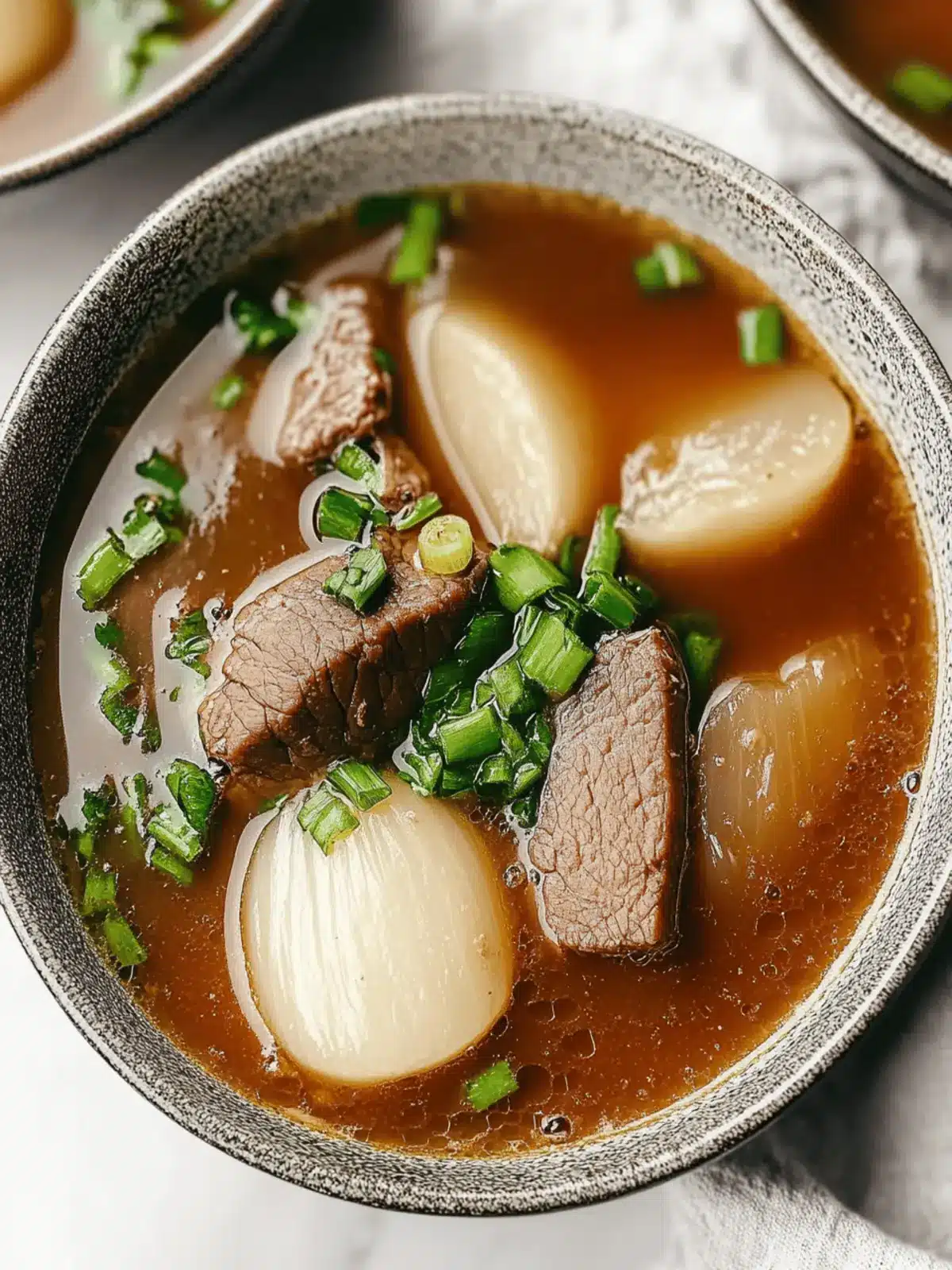
Tasty Korean Winter Soup: A Cozy Bowl of Comfort and Flavor
Ingredients
Equipment
Method
- Soak the beef short ribs in cold water for 1 hour to draw out blood.
- Slice onion, ginger, and garlic while ribs are soaking; add green onions if desired.
- In a large pot, combine soaked ribs, aromatics, and water. Bring to a boil.
- Once boiling, lower the heat and simmer uncovered for 1 hour.
- After an hour, add sliced radishes and simmer for an additional 20 minutes until tender.
- Discard the aromatics, season with guk ganjang and sea salt, then simmer for another 10 minutes.
- Garnish with sliced green onions and serve with rice.